When Your Body Hijacks You: Making Sense of the Panic Response
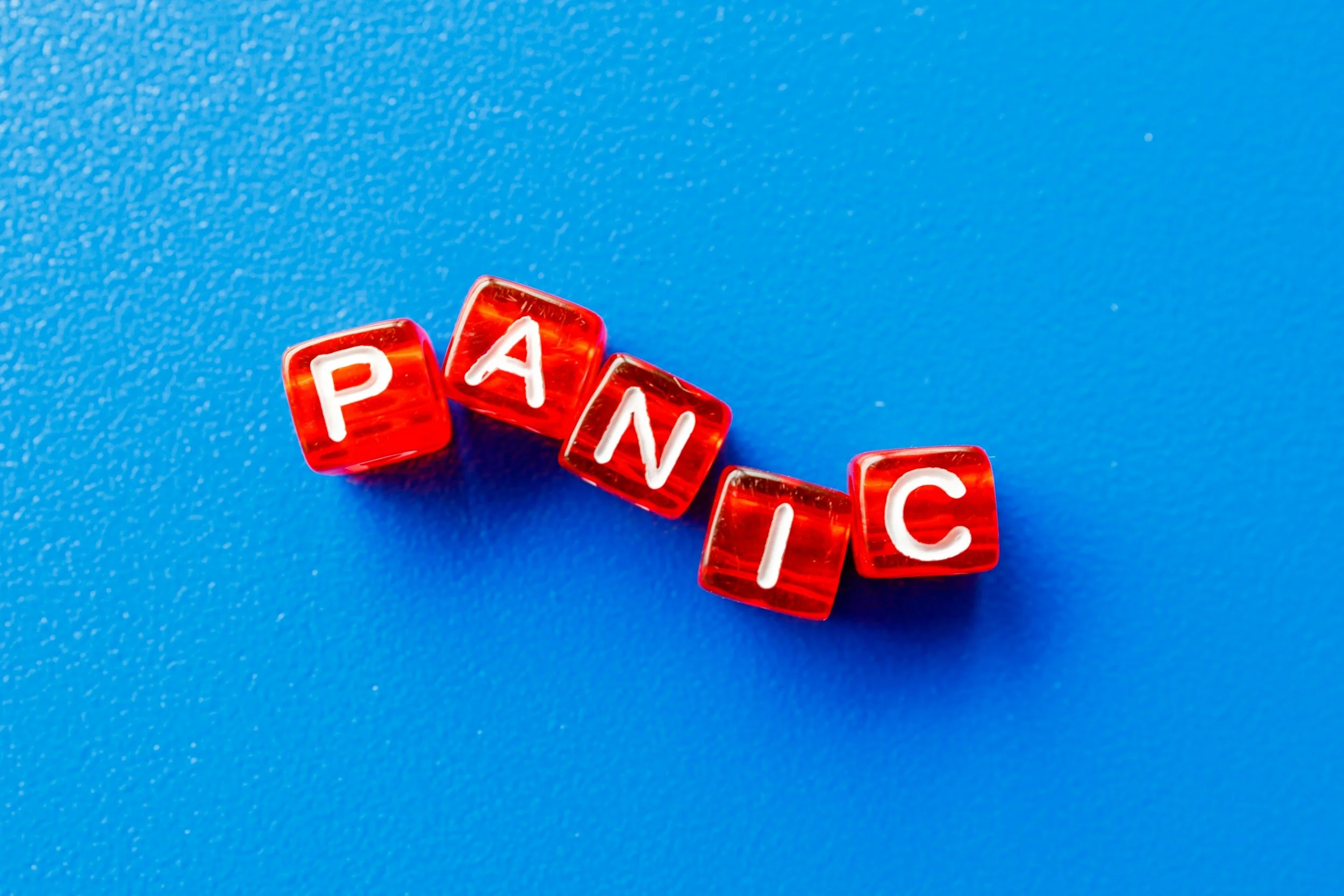
A panic attack can feel like your body has suddenly turned against you. Your heart races, your breathing tightens, your thoughts spiral, and it can feel like you’ve lost all control. Even when you know you’re not in danger, your body reacts as if something catastrophic is happening.
Panic Isn’t Logical — It’s Biological
A panic response isn’t a sign that something is wrong with you. It’s the body’s survival system operating on overdrive.
The human brain is wired to detect danger. When it senses a threat — real or imagined — it activates the “fight-or-flight” response to protect you.
The problem is that this system doesn’t always distinguish between a life-threatening situation and a stressful thought, memory, or physical sensation.
So even if you’re sitting at your desk, lying in bed, or doing the grocery shopping, your body can react as if you’re facing a real danger. That’s why panic attacks feel so physical — the body is preparing you to survive something that isn’t actually happening.
What a Panic Response Really Is
During a panic episode, the nervous system fires a series of rapid reactions designed to protect you:
Increased heart rate to pump blood to your muscles
Tightened chest and rapid breathing to bring in more oxygen
Sweaty palms to improve grip
Tunnel vision to focus on danger
Digestive changes to conserve energy
It’s an ancient survival system — incredibly useful if you’re running from harm, but overwhelming when activated unnecessarily.
This is why panic feels like losing control. It’s not that you are losing control — it’s that your survival system is taking over.
Why Panic Feels So Terrifying
There are two layers to a panic experience:
The physical sensations, and
The fear you attach to those sensations
For many people, it’s the fear of the sensations that turns the experience from discomfort into panic.
You might think:
“I’m going to faint.”
“What if I can’t breathe?”
“What if this never stops?”
“What if something’s seriously wrong?”
These thoughts intensify the body’s alarm, creating a feedback loop that makes the panic feel stronger and longer.
Understanding this loop is powerful — because it means the panic response isn’t random, and it isn’t permanent.
The Aftermath: Emotional Exhaustion
After a panic attack, many people feel drained, shaky, or detached. You may worry:
“What if it happens again?”
“What triggered this?”
“Can I trust my body anymore?”
This fear of future panic can become its own cycle, known as anticipatory anxiety. It can cause people to avoid situations, places, or activities, even when they logically know they’re safe.
This avoidance doesn’t mean you’re weak. It means you’re trying to protect yourself — your body is simply doing its best with the tools it has.
Finding Help for Panic Attacks
One of the most painful parts of panic is the loss of trust in your own body. You may feel betrayed by the suddenness of the response or frightened by how intense it can be.
Counselling helps you repair that relationship. Over time, you can begin to feel safe in your body again — recognising that the panic response is not a threat but a sensation that can be understood and managed.
If you feel like you could benefit from counselling, contact Sami or book a session using the button below.