When You Feel Like You’re Falling Behind in Life
There’s a quiet kind of pressure that comes from the feeling that you’re not where you should be. It’s not always something you talk about openly, but it can sit in the background, shaping how you see yourself and your life.
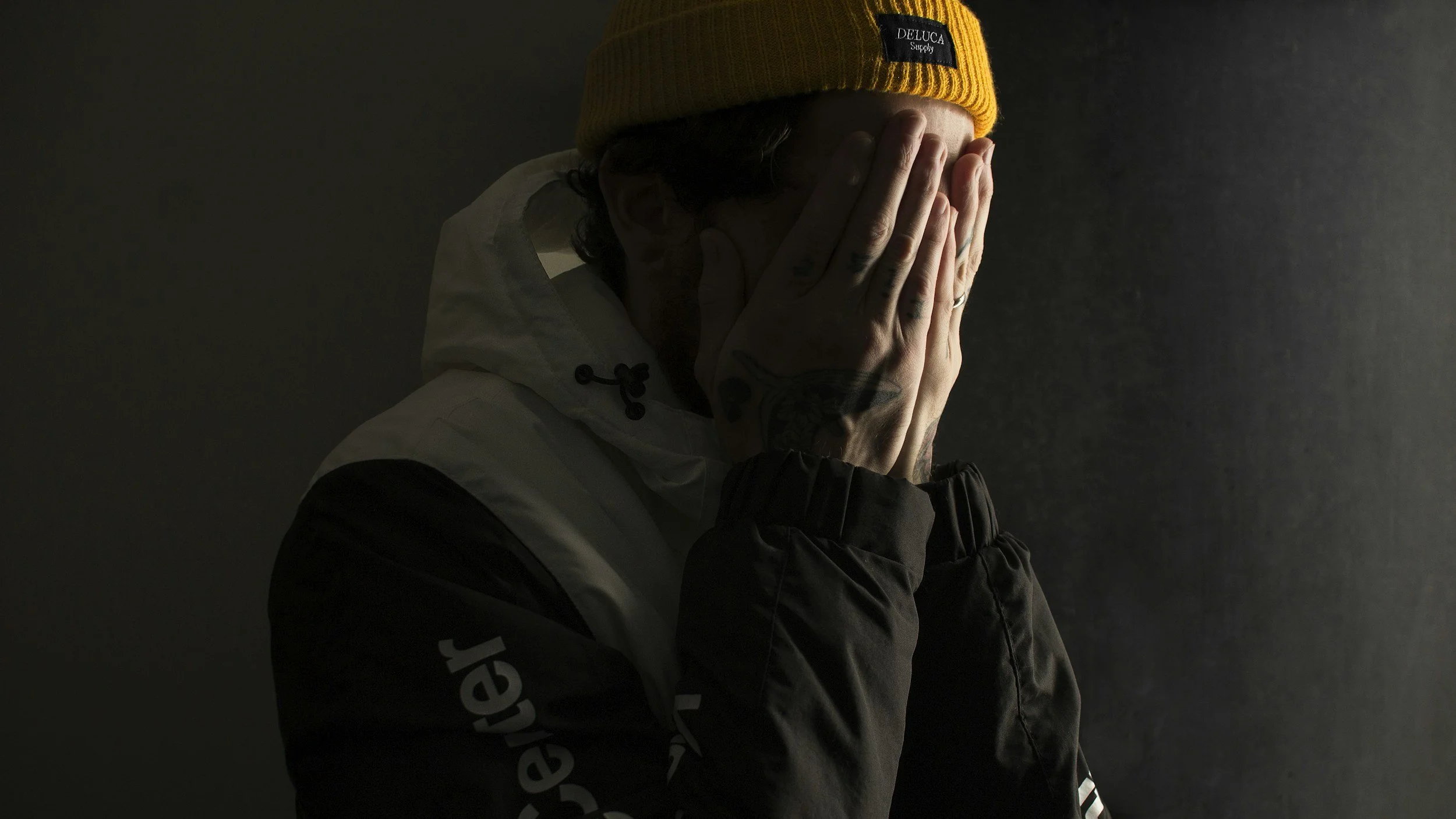
You might notice it when you compare yourself to others. People your age who seem further ahead, more settled, or more secure. It can show up when you think about where you expected to be by now, and realise things haven’t quite turned out that way.
This feeling isn’t always tied to one specific area. It can relate to career, finances, relationships, or a general sense of direction. Sometimes it’s hard to even define exactly what feels off, just that something doesn’t match your expectations.
Over time, this can start to affect how you experience your own progress.
Instead of recognising what you’ve done, your focus shifts to what’s missing. Achievements can feel temporary or not enough. There’s often a sense that you’re trying to catch up, even if there’s no clear finish line.
This can create a kind of ongoing tension.
You might feel pressure to do more, be more productive, or make faster decisions. At the same time, that pressure can make it harder to move forward with clarity. It’s difficult to feel grounded when you’re constantly measuring yourself against an imagined standard.
There’s also often a layer of self-criticism that comes with this.
You might question your choices, or feel like you’ve made mistakes that have set you back. Even when circumstances have played a role, it can feel personal. As though you should have done something differently.
What’s important to recognise is that this sense of “falling behind” is often shaped by external expectations.
Timelines around career, relationships, and financial stability are rarely as fixed as they appear. But when those expectations are internalised, they can feel very real. It becomes easy to believe that there is a right pace for life, and that you’ve missed it.
In reality, people’s paths are far more varied than they often seem.
From the outside, it can look like others have things figured out, but that perspective is limited. It doesn’t capture the full picture of what’s happening beneath the surface, or the different challenges people face at different times.
That doesn’t necessarily make the feeling go away, but it can help create some distance from it.
Instead of taking the thought at face value, it becomes something you can reflect on. Where is this expectation coming from? What am I comparing myself to? Is this standard actually meaningful to me, or something I’ve absorbed over time?
These questions can open up a different way of relating to the feeling, rather than being defined by it.
Support can also help here, particularly if the sense of falling behind is affecting your confidence or decision-making. Talking through it can bring more clarity to what matters to you, separate from external pressure.
Feeling like you’re falling behind doesn’t mean you are. It often means you’re holding yourself to a standard that doesn’t fully reflect your reality.
If this is something you’ve been carrying, counselling can offer a space to explore those expectations and reconnect with a sense of direction that feels more your own.