When Your Values Change Faster Than Your Circumstances
Sometimes the way you see life changes before your actual life does.
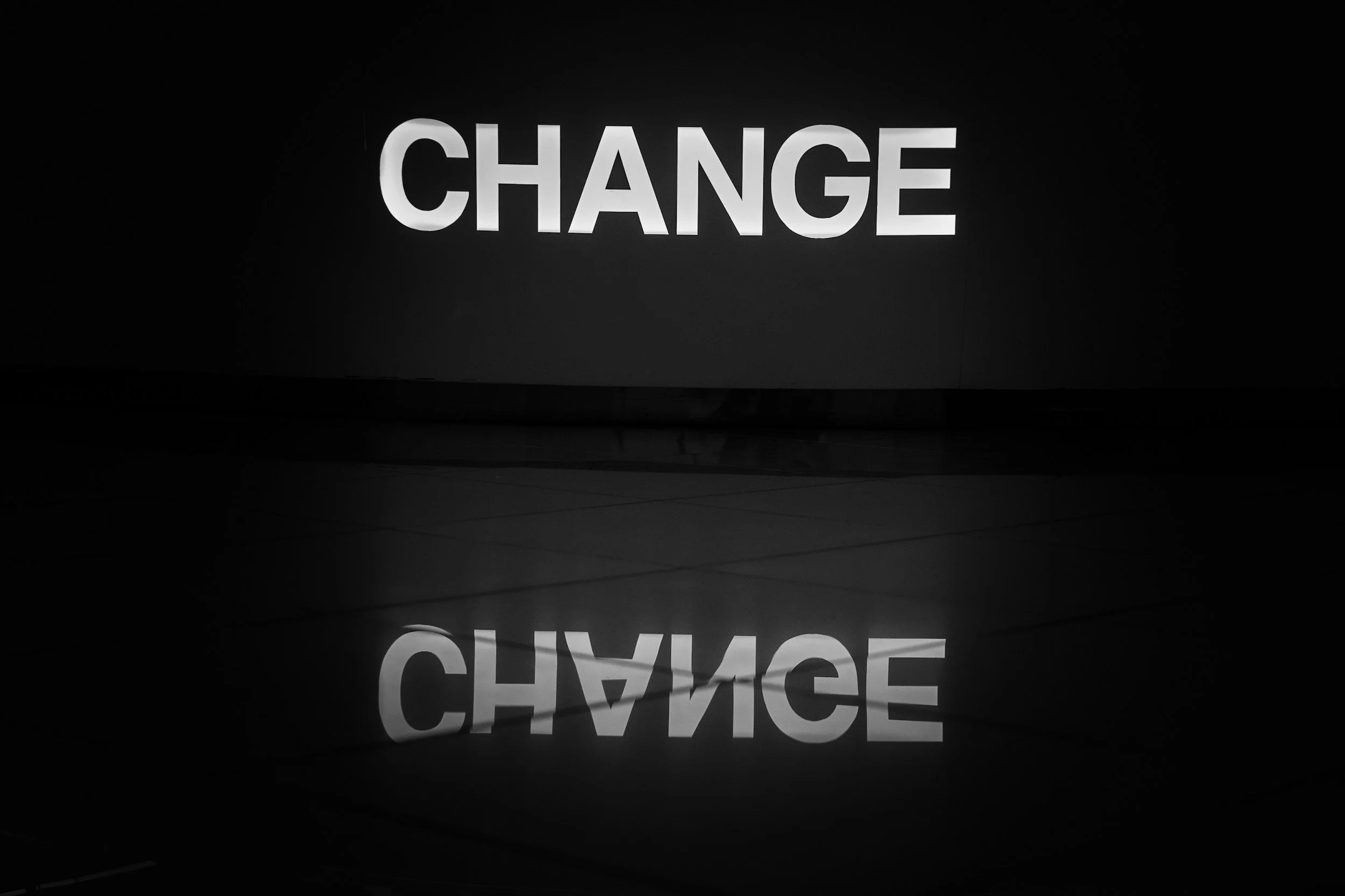
You may start wanting different things, but still be living inside the same routines. You may feel clearer about what matters to you, but still be in a job, relationship, family role, friendship group or lifestyle that was built around an older version of yourself.
This can be a strange place to stand. From the outside, things may look the same. You are still showing up. Still doing what needs to be done. Still keeping the structure of your life moving. Inside, though, something has shifted.
What once felt acceptable may now feel draining. What once mattered may no longer hold the same weight. What you used to tolerate may now feel harder to ignore.
Values can change quietly
Values do not always change in a dramatic moment. Sometimes they shift slowly, through experience. A health scare. A loss. Burnout. Parenthood. Separation. Ageing. Therapy. A change in work. A friendship ending. A period of loneliness. A growing awareness that the life you have built no longer feels honest.
You may begin to value rest more than achievement. Peace more than approval. Time more than money. Honesty more than being liked. Stability more than excitement. Freedom more than fitting in. These changes can feel grounding.
They can also create tension if your current life has not caught up yet. You may know what matters to you now, but still feel stuck in obligations, financial realities, family expectations, old commitments or fear of change.
The gap can feel uncomfortable
When your values change faster than your circumstances, life can start to feel misaligned.
You might feel irritated by things you used to accept. You might find certain conversations harder to sit through. You might feel resentful of commitments you once agreed to freely. You might feel restless, guilty or trapped without knowing exactly what to do next.
This gap can be emotionally tiring because you are living in two realities. There is the life you are in. And there is the life that feels more aligned with who you are becoming. The distance between those two can bring sadness, frustration and self-doubt.
You may start questioning old choices
A shift in values can make you look back differently.
You might wonder why you gave so much energy to certain people. Why you stayed quiet. Why you worked so hard to prove yourself. Why you ignored your needs. Why you built a life around goals that no longer feel meaningful.
This reflection can be useful, but it can also become harsh.
It is easy to judge your past self from the perspective of what you know now. But the choices you made then may have made sense with the information, support, confidence and circumstances you had at the time.
Changing your values does not mean your earlier life was fake. It may mean you have learned more about what you need.
Other people may not understand the shift
When your values change, other people may feel confused by you.
They may not understand why you are saying no more often. Why you are less available. Why you no longer want the same things. Why certain jokes, habits, roles or expectations no longer sit well with you.
Some people may adjust with you. Others may push back. This can make you doubt yourself, especially if you are used to keeping the peace. You might feel tempted to explain every change in detail. But not every value shift needs to be defended.
Sometimes your job is simply to notice what is true for you now, and make choices that reflect it where you can.
Circumstances often take longer to change
One of the hardest parts of life transition is that insight can arrive quickly, while practical change takes time.
You may realise you need a different pace of life, but still have bills to pay. You may know a relationship dynamic needs to change, but not yet know how to approach it. You may feel done with a role or identity, but still be responsible for showing up in it.
This can make you feel impatient with yourself. But circumstances are often layered. Work, money, family, housing, children, health, culture and history can all shape what is possible at any given moment. You may not be able to change everything immediately.
That does not mean the shift inside you is meaningless. Sometimes the first step is not a dramatic decision. It is telling the truth to yourself more consistently.
Life transition counselling can help you find the next honest step
Life transition counselling can be useful when you feel caught between old circumstances and new values.
It gives you a place to sort through what has changed, what still feels fixed, and what choices may be available to you now. Not every change has to happen quickly. Not every realisation needs to become an immediate life overhaul.
Counselling can help you slow the process down enough to understand it. You can explore what you value now, what no longer fits, where you feel stuck, and what a more honest next step might look like. When your values change faster than your circumstances, it can feel frustrating. But it can also be an important sign that you are paying attention to your own life.
You may not be able to change everything at once. But you may be able to stop pretending nothing has changed.