
When You No Longer Recognise Yourself After Divorce
Divorce or separation changes a lot of practical things at once. There may be a new home, different routines, financial decisions, changes to parenting arrangements and conversations with family or friends that you never expected to be having.
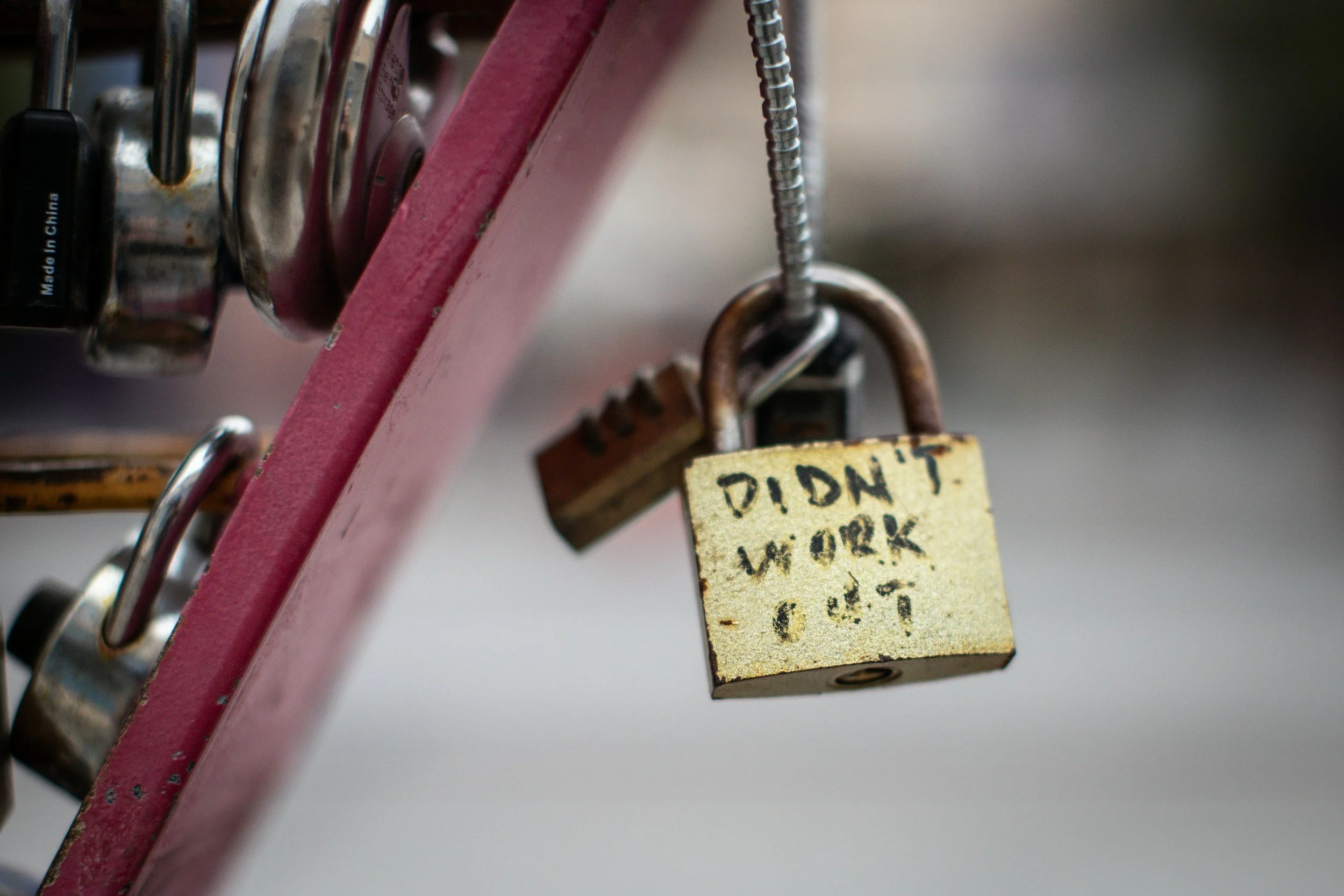
What can be harder to anticipate is how much it can affect your sense of who you are.
If you have been part of a couple for a long time, your life may have been built around shared decisions. You might have thought about weekends, holidays, money, parenting, friendships and future plans as something you worked out together. Even if the relationship had been unhappy for some time, there was still a familiar structure around your life.
When that structure disappears, people can find themselves asking questions they haven't had to think about in years. What do I actually like doing? What do I want my weekends to look like? Who am I socially now? Am I comfortable going somewhere on my own? What sort of future am I planning for?
These questions can feel surprisingly unsettling.
Your identity naturally changes in a long-term relationship
Being part of a couple does not mean you lose your individuality, but relationships do shape us. Over time, certain roles can become part of how we understand ourselves.
You may have been the organiser in the family, the person who managed the finances, the one who kept everyone connected socially, or the one who did most of the emotional work when things were difficult. You may have become used to making decisions around another person's needs, timetable or preferences.
There may also be parts of yourself that quietly moved into the background. Perhaps you stopped seeing certain friends as often, gave up hobbies because there was never enough time, or became accustomed to compromising on how you spent your weekends.
After a separation, you may suddenly have more choice while feeling less certain about what to do with it.
People sometimes imagine that this freedom will automatically feel exciting. In reality, it can be uncomfortable at first. If you haven't had to ask yourself what you want for a long time, the answer may not come immediately.
You may question the person you were in the relationship
Divorce also has a habit of making people look backwards.
You might find yourself thinking about decisions you made earlier in the relationship and wondering whether you should have done things differently. You may question why you stayed as long as you did, why you didn't notice certain problems sooner, or whether there were things you could have handled differently.
Some reflection can be useful. Constantly putting yourself on trial is less so.
Relationships are complicated when you are living inside them. Decisions that seem obvious in hindsight may not have felt obvious at the time. You were making choices with the information, emotions, responsibilities and circumstances you had then.
It can be particularly difficult if the relationship involved a lot of criticism, conflict or controlling behaviour. If you spent years being told that you were unreasonable, overly sensitive or bad at making decisions, it may take time to regain confidence in your own judgement.
The relationship may have ended, but the habit of second-guessing yourself can continue.
Social changes can add to the confusion
Your sense of identity is also influenced by the people around you.
Long-term couples often share friendship groups. There may be mutual friends, school communities, extended family relationships, sporting clubs or social routines that developed around the relationship.
After separation, some of these connections remain. Others change. A friendship you assumed was yours may become more distant. You may feel unsure about attending events where your former partner will be present. You might become uncomfortable talking to people who know both sides of the story.
For some people, this is one of the lonelier parts of divorce.
You can lose more than a partner. You may also lose familiar roles and social environments that made up a large part of your normal life.
That doesn't mean all of those things need to be replaced immediately.
It can take time to work out which relationships still feel supportive, which ones naturally change, and where you might want to build something new.
Parenting after separation can change your sense of self too
For parents, shared care arrangements can create another major adjustment.
If your children are with you less than they were before, the quiet can feel very strange. You may have spent years organising your life around school, meals, bedtime routines, weekend sport and everything else that comes with parenting. Suddenly there are periods where none of that is happening.
Some parents enjoy having some time to themselves and then feel guilty for enjoying it.
Others struggle badly on the days their children aren't home.
There can also be pressure to make the time with your children feel especially meaningful because you now have less of it. This can make ordinary parenting frustrations feel more loaded than they used to.
It takes time to develop a new rhythm.
You are still a parent when your children are not physically with you, but it may take a while for that to feel normal.
Rediscovering yourself doesn't need to be dramatic
There is a popular idea that life after divorce should involve some major reinvention.
Sometimes people do make big changes. They travel, change careers, start dating, move house or take up something completely new.
But rebuilding your identity can also happen in much smaller ways.
You might start cooking meals you enjoy but stopped making because your partner didn't like them. You might reconnect with someone you haven't seen in years. You might notice that you prefer quiet weekends now, or that you actually enjoy going to the cinema on your own.
You may discover that some of your preferences have changed entirely.
These things can seem minor, but they help you become familiar with yourself again.
There is no requirement to become the person you were before the relationship. If you were together for many years, that person may belong to a completely different stage of your life.
The aim is not necessarily to go backwards. It is to work out what fits now.
When you feel pressured to “move on”
Friends and family often want to see you doing well after a divorce. Their intentions may be good, but their encouragement can occasionally feel like pressure. They may tell you to start dating again, get out more, make the most of being single or stop talking about the past.
Your timeline may look different.
You might feel relieved that the relationship has ended and still be grieving parts of it. You might know the separation was necessary but still feel unsettled about what happens next.
Those feelings are not contradictory.
Most long relationships contain both good and difficult experiences. Ending one does not require you to decide that every part of it was a mistake.
How divorce and separation counselling can help
Counselling can provide a place to work through the practical and emotional changes that come with separation without being told what your next chapter is supposed to look like.
For some people, the focus is grief. For others, it is confidence, anger, co-parenting, boundaries or understanding patterns in the relationship that they don't want to repeat.
It can also be useful simply to have somewhere to talk through questions about identity.
Who were you in the relationship?
Which parts of that person still feel like you?
Which parts were shaped by circumstances you are no longer living in?
And what would you like life to look like now?
You do not need to answer all of those questions quickly.
After a major relationship ends, feeling unsure of yourself can be part of adjusting to a life that has changed considerably. Over time, most people start to find their footing again. Not by recreating the person they used to be, but by getting to know the person they are now.