
When Panic Makes You Distrust Your Own Body
A panic attack can make your body feel unsafe. Your heart races. Your chest tightens. Your breathing changes. You might feel dizzy, shaky, hot, cold, numb, unreal, or trapped inside yourself. For some people, it feels like they are dying. For others, it feels like they are about to lose control.
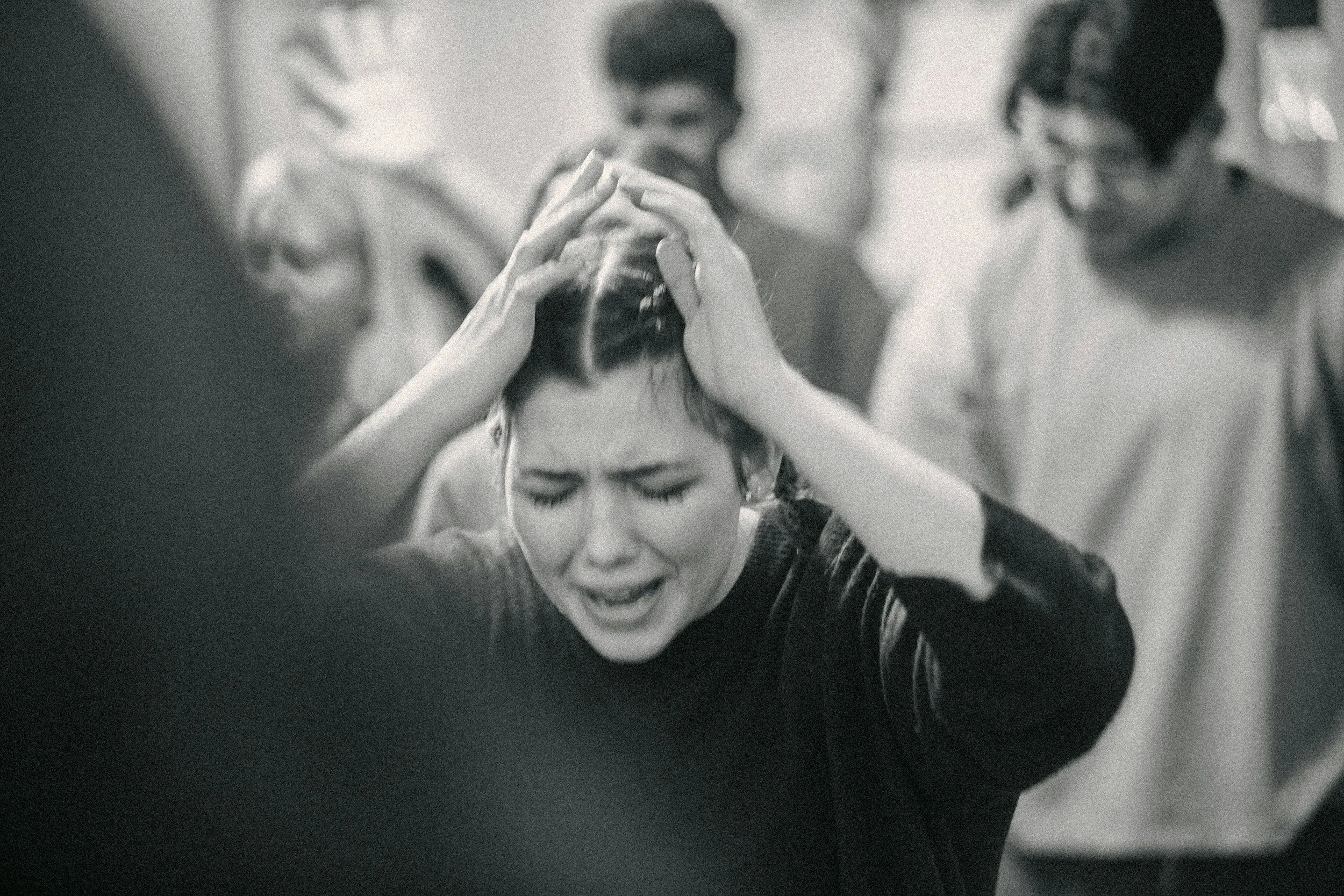
Even when the panic passes, the fear can stay.
You may start watching your body closely, waiting for the next strange sensation. A skipped heartbeat, a tight chest, a wave of dizziness, or a sudden rush of heat can become enough to make you think, “Here it comes again.”
Over time, panic can make you distrust the body you live in.
The fear after the panic attack
Panic attacks are frightening partly because they can seem to come out of nowhere.
One moment you may be driving, shopping, sitting at work, lying in bed, or standing in a queue. Then your body changes quickly and intensely. Even if you later understand it as panic, the experience can leave a mark.
Afterwards, you may become more alert to physical sensations. You might check your pulse. Avoid exercise because it raises your heart rate. Sit near exits. Stop going to certain places. Avoid caffeine, heat, crowds, public transport, or anything that reminds you of the last attack.
This is understandable. Your mind is trying to protect you from feeling that scared again.
The problem is that the more you monitor your body, the more threatening normal sensations can start to feel.
When normal body sensations feel dangerous
Bodies are noisy. They change all day.
Hearts speed up and slow down. Breathing shifts. Muscles tighten. Stomachs churn. Heads feel light. Skin tingles. Energy rises and drops.
Most of the time, people barely notice these changes. But after panic, small sensations can become loaded with meaning.
A faster heartbeat might be read as danger. Light-headedness might be read as collapse. Tightness might be read as something seriously wrong. The body becomes something to scan, manage, and fear.
This can create a cycle:
You notice a sensation.
You worry about what it means.
The worry triggers more adrenaline.
The sensation gets stronger.
The fear feels confirmed.
It can feel like your body is betraying you, when it may actually be responding to fear.
Avoidance can make your world smaller
When panic makes you distrust your body, avoidance can start quietly.
At first, it may seem practical. You avoid one place because that is where a panic attack happened. Then you avoid similar places. Then you avoid being far from home. Then you avoid being alone. Or you only do things if you know you can leave quickly.
Avoidance can bring short-term relief, which is why it is so tempting. But it can also teach your brain that the avoided thing really was dangerous.
Over time, your world can shrink around the fear of panic.
This can be incredibly frustrating. You may know, logically, that you are not in danger. But panic is not purely logical. It is physical, emotional, and deeply convincing in the moment.
Rebuilding trust with your body takes time
The goal is not to force yourself to ignore your body. It is to slowly rebuild a different relationship with it.
That can mean learning to notice sensations without immediately treating them as emergencies. It can mean understanding how adrenaline affects the body. It can mean practising ways to stay present when fear rises, rather than fighting the sensations or trying to escape them instantly.
For some people, it also means gently returning to activities they have avoided. Not all at once. Not through pressure or shame. But in a supported way that helps the body learn, over time, that discomfort is not the same as danger.
This can take patience, especially if panic has been part of your life for a while.
You are not weak for fearing panic
People who experience panic attacks often become hard on themselves.
They may feel embarrassed. They may wonder why they cannot “just calm down.” They may hide what is happening because they worry others will not understand.
But panic can be overwhelming. The physical symptoms are real, even when they are driven by anxiety. The fear is real. The exhaustion afterwards is real.
You are not weak because your body reacts strongly to panic. You are not failing because you have started avoiding things. These are common responses to a frightening experience.
They are also things you can get support with.
Panic attacks counselling can help you feel less afraid of the sensations
Panic attacks counselling can help you understand what is happening in your body and why the fear cycle can feel so powerful.
It can also support you to work with the thoughts, sensations, and avoidance patterns that keep panic going. The aim is not to dismiss what you feel. It is to help you feel less controlled by it.
When panic makes you distrust your own body, life can start to feel smaller than it should. But that trust can be rebuilt.
Not instantly. Not perfectly. But gradually, with the right support, you can begin to feel safer in your body again.