Recovering After a Panic Attack: The Part Nobody Talks About
People often talk about what a panic attack feels like while it is happening. The racing heart. The tight chest. The shaking. The feeling that you cannot breathe properly, or that something terrible is about to happen. That part can be frightening.
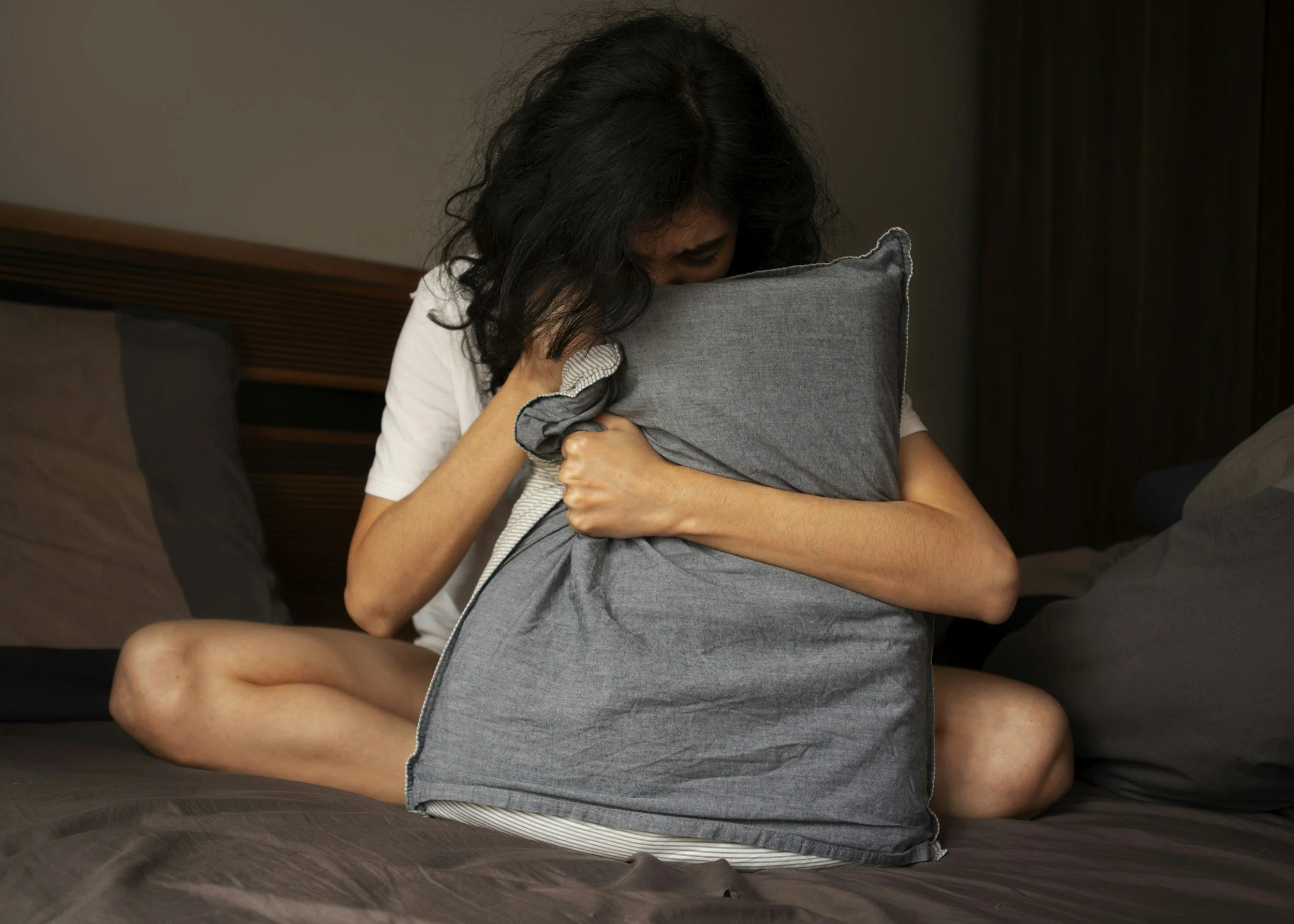
But there is another part that does not get spoken about as much.
What happens afterwards.
The panic attack may be over, but you may not feel fine. You might feel shaky, embarrassed, drained, teary, foggy, sore, or strangely disconnected from everything around you.
You may look calm again on the outside, but inside it can feel like your body has just been through something huge.
And in many ways, it has.
The body does not always settle straight away
A panic attack can feel like it comes out of nowhere, but your body is responding as though there is danger.
Your heart works harder. Your breathing changes. Your muscles tense. Your system goes into high alert.
So when the panic starts to pass, it is not always a clean switch back to normal.
You might still feel wired. Or exhausted. Or both at the same time.
Your chest might feel tight from breathing quickly. Your arms or legs might feel weak. Your stomach might feel unsettled. Your head might feel heavy or foggy.
This can be confusing if you expected the panic attack to end and everything to feel normal again.
Sometimes recovery takes longer than the attack itself.
The emotional comedown can be hard
After a panic attack, there can be an emotional drop.
You might cry, even if you do not fully know why. You might feel embarrassed about where it happened, who saw it, or what you said while you were panicking. You might feel angry with yourself for “letting it happen again”.
Some people feel ashamed after a panic attack, especially if they needed to leave a situation, cancel plans, ask for help, or explain what was happening.
That shame can be heavy.
You may start thinking:
“Why can’t I control this?”
“What if people think I’m overreacting?”
“What if it happens again?”
“Something must be wrong with me.”
But a panic attack is not a personal failure.
It is an intense body response. It can feel frightening and messy, but it does not mean you are weak, dramatic, or broken.
The fear of another panic attack
One of the hardest parts of panic is that the fear can continue long after the attack ends.
You may start scanning your body for signs that it is coming back. A faster heartbeat. A bit of dizziness. A tight chest. A strange feeling in your stomach.
The smallest sensation can feel like a warning.
This is where panic can become a cycle. You have a panic attack. Then you become frightened of having another one. Then that fear makes you more alert to every sensation in your body. Then those sensations start to feel dangerous.
It can make everyday things feel risky.
Driving. Shopping. Being in a meeting. Sitting in a crowded room. Going to sleep. Being too far from home. Being somewhere you cannot easily leave.
Over time, you may begin avoiding places or situations where you worry panic might happen again.
That avoidance can make life feel smaller.
You may feel tired for the rest of the day
Panic can take a lot out of you.
Even if the attack only lasted a few minutes, your body may feel like it has run a race. You might want to sleep. You might feel slow, flat, irritable, or unable to concentrate.
This can be frustrating, especially if you have to keep going with your day.
You might have work to do. Children to care for. People to respond to. Things that still need to happen.
But your body may be asking for a slower pace.
If you can, give yourself some time after a panic attack. Drink some water. Eat something small if you can manage it. Sit somewhere quieter. Let your breathing return without forcing it. Do one simple thing at a time.
You do not need to punish yourself by carrying on as though nothing happened.
It can help to name what happened
After a panic attack, the mind can keep spinning.
You might replay it over and over, trying to work out what caused it or what you should have done differently.
Sometimes it helps to name it plainly.
“That was a panic attack.”
“My body felt unsafe, even though I was not in danger.”
“It was awful, but it passed.”
“I am still recovering from it.”
This does not make the experience pleasant, but it can help separate the panic from the story your mind might build around it.
The story may say, “I can’t cope.”
The facts may be, “That was frightening, and I got through it.”
Those are very different things.
Recovery does not have to look impressive
After a panic attack, you may want to do something to prove you are okay.
Go straight back into the room. Finish the task. Act normal. Reassure everyone else. Make a joke. Apologise too much.
Sometimes that might feel right. Other times, it may only add more pressure.
Recovery can be quiet.
It might be sitting in the car for ten minutes. It might be texting someone you trust. It might be lying down. It might be cancelling something you genuinely cannot manage. It might be going back to the situation slowly, instead of forcing yourself all at once.
There is no need to perform being fine.
Be careful with self-criticism
The way you speak to yourself after a panic attack matters.
If you tell yourself you are ridiculous, weak, embarrassing or a problem, your system may feel even less safe.
That does not mean you have to love what happened. Panic attacks can be horrible. It is okay to feel upset about them.
But try to notice when frustration turns into cruelty.
You might try saying something you would say to someone else.
“That was scary.”
“No wonder I feel drained.”
“I do not need to solve everything right now.”
“I can take the next few minutes slowly.”
This can feel awkward at first, especially if you are used to pushing yourself through. But gentleness after panic is not indulgent. It is part of helping your body stand down.
Looking for patterns, without blaming yourself
Once you have recovered a little, it may be useful to gently look back.
Not immediately. Not while you are still shaken.
But later, you might ask:
Was I already stressed?
Had I slept badly?
Had I eaten?
Was I feeling trapped, pressured, rushed or overwhelmed?
Was there a thought, place, conversation or sensation that seemed to start it?
Sometimes panic appears to come out of nowhere. Sometimes there are patterns you can begin to notice.
The point is not to blame yourself. It is to understand your system better.
When you know more about what tends to lead into panic, you may be able to respond earlier, ask for support sooner, or make changes that reduce the build-up.
When to seek support
If panic attacks are happening often, or if the fear of them is starting to affect your life, it may be worth speaking to someone.
You do not have to wait until things feel unmanageable.
Counselling can help you understand what panic feels like in your body, what keeps the cycle going, and how to respond when the fear starts to rise. It can also help if panic is connected to stress, trauma, grief, burnout, anxiety, major life changes, or feeling unsafe in certain situations.
If you are ever unsure whether your symptoms are panic or something medical, it is important to seek medical advice, especially with chest pain, fainting, new symptoms, or anything that feels unusual for you.