
The Fear of Having a Panic Attack Becomes the Problem
A panic attack can be a very frightening experience, particularly the first few times it happens. The symptoms often feel intensely physical and can include a racing heart, dizziness, sweating, shaking, nausea, breathlessness or a strong feeling that something is seriously wrong.
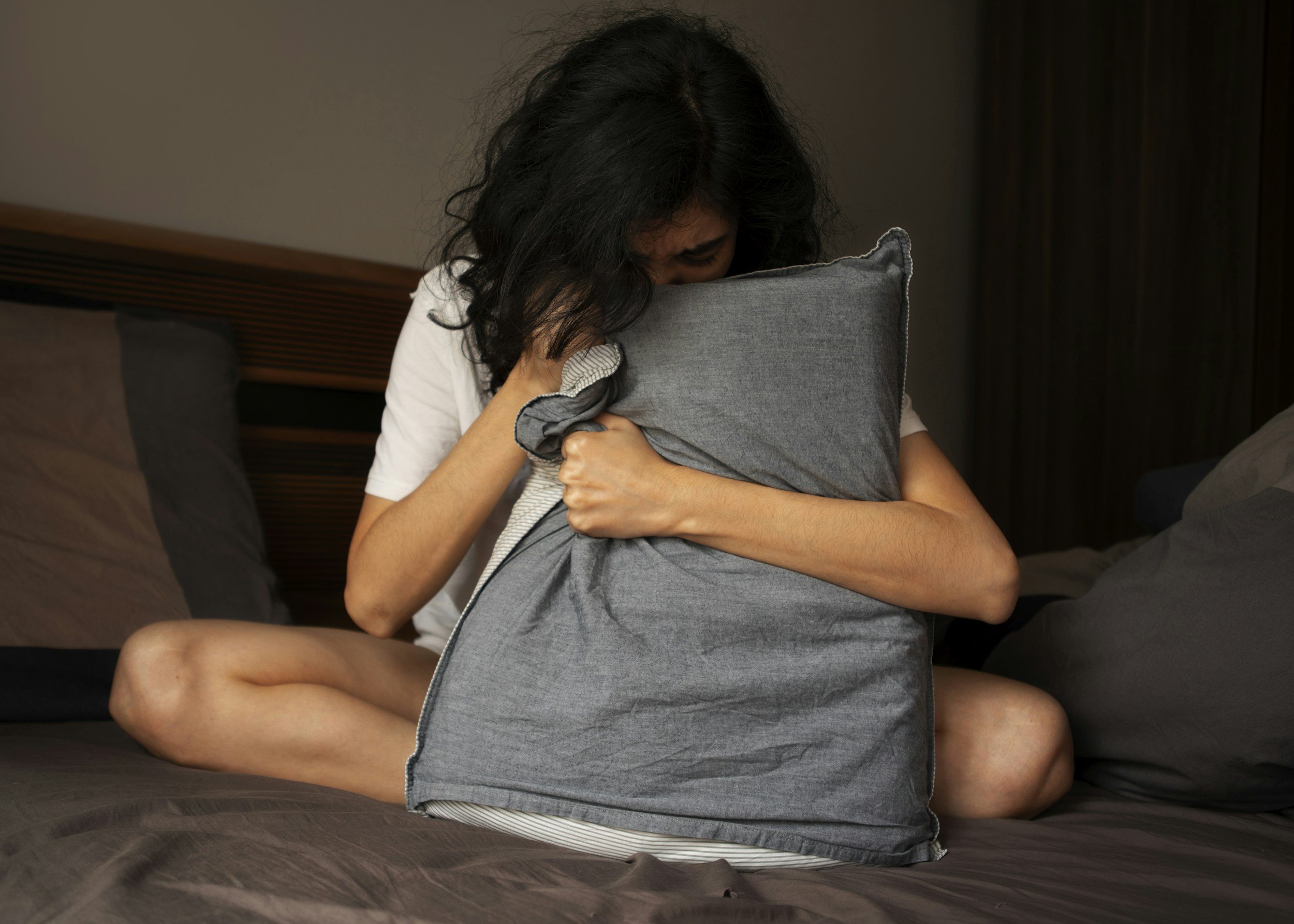
Afterwards, it is understandable to worry about having another one.
For some people, however, that worry begins to take up more time and energy than the panic attacks themselves. You start watching for symptoms, avoiding situations where an attack might happen and changing your routines in an effort to prevent another episode.
At that point, the fear of panic can become part of the cycle.
Becoming very aware of physical sensations
After experiencing a panic attack, people often become much more aware of what is happening in their body.
You may notice your heartbeat more frequently or pay close attention to your breathing. Feeling slightly dizzy, warm or light-headed can suddenly seem important because those sensations remind you of panic.
Before having panic attacks, you may not have given these sensations much thought. A fast heartbeat after walking quickly or feeling light-headed because you had not eaten may have been easy to explain.
After panic becomes part of your experience, the same sensations can be interpreted differently.
You may find yourself thinking, “Is this another one starting?”
That thought can increase anxiety, which then creates more physical sensations.
How the cycle develops
Panic can involve a feedback loop between physical sensations and anxious thoughts.
You notice that your heart is beating quickly and become worried. The worry causes your heart rate to increase further. You notice that increase and become more concerned.
Breathing may become faster or shallower, which can contribute to dizziness, tingling or feeling unreal. Those sensations can then be interpreted as further evidence that something is going wrong.
The symptoms are real, but the interpretation of them can intensify the experience.
Understanding this cycle is often useful because it explains why panic can build so quickly.
Avoidance can start with small changes
Many people begin making practical adjustments after a panic attack.
You might choose a seat near the exit in a restaurant. You may avoid driving too far from home or feel more comfortable if someone comes with you to crowded places.
You might stop drinking coffee because you dislike the feeling of an increased heart rate, or avoid exercise because physical exertion reminds you of panic symptoms.
These strategies often seem sensible because they reduce immediate anxiety.
The difficulty is that they can gradually become rules.
You only go somewhere if another person comes with you. You avoid certain roads. You leave places as soon as you start feeling uncomfortable.
Over time, the fear of panic can begin influencing a large part of your daily life.
Worrying in advance can be exhausting
Some people spend more time thinking about panic between attacks than they do actually having panic attacks.
You may worry before appointments, social events or travel. You think about what you would do if an attack started and whether you would be able to leave.
This kind of anticipatory anxiety can make situations feel difficult before anything has happened.
It can also mean you arrive already tense and alert to physical sensations.
The experience becomes less about what is happening in the moment and more about what might happen.
Medical reassurance can help, but anxiety may remain
Because panic symptoms can feel physical, many people understandably worry that something is medically wrong.
New, severe or unexplained symptoms should always be discussed with an appropriate health professional.
If medical causes have been considered and panic has been identified, however, you may still find reassurance difficult to hold onto.
Someone can tell you your heart is healthy, but when it starts beating quickly again, the fear can return.
That is because panic is not always driven by a lack of information. It is often about the way physical sensations are interpreted in the moment.
Trying to avoid anxiety completely is difficult
Once panic has become frightening, it is natural to want to avoid anything that might bring on similar sensations.
The problem is that bodies are constantly changing.
Your heart rate increases when you exercise. You might feel light-headed when you are tired or hungry. You can become warm, shaky or short of breath for many ordinary reasons.
Trying to control every physical sensation can make you more focused on them.
A more useful goal is often learning that uncomfortable sensations do not automatically mean something dangerous is happening.
This can take time.
When panic counselling may help
If you are organising your life around avoiding panic, counselling can be useful even if the attacks themselves are relatively infrequent.
The work may involve understanding your physical symptoms, recognising anxious thinking and gradually increasing confidence in situations you have started avoiding.
Many people find that once they are less frightened of panic itself, it has less influence over their life.
The goal is not to guarantee that you will never feel anxious again. It is to reach a point where anxiety feels manageable rather than something you constantly need to prevent.